Yuyachkani and the Reinvention of Adiós, Ayacucho by Julio Ortega:Embodiment and Memory
DOI:
https://doi.org/10.21142/DES-1804-2026-0101Keywords:
Peruvian theather , Yuyachkani, literature and political violence, Andean world view, absent bodyAbstract
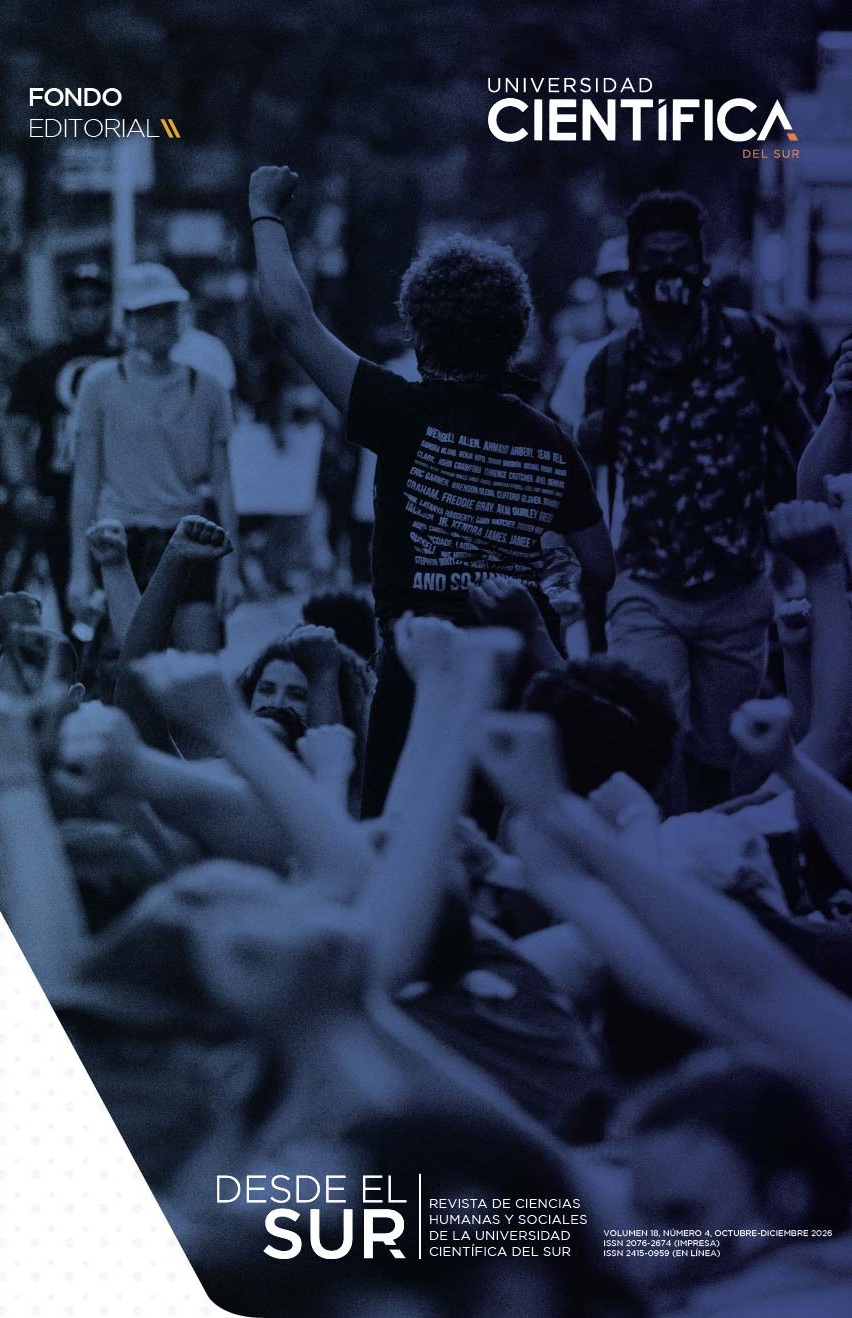
This study is a reflection on the play Adiós, Ayacucho, an adaptation of Julio Ortega’s novel. Our goal is to reflect on how the ritual nature of theater and an understanding of the body from the Andean worldview give meaning to the representation of a non-presence. The play stars a peasant from Ayacucho who was murdered by the Peruvian police during the era of terrorism. This character, now a mutilated corpse, embarks on a journey to Lima in search of justice. Yuyachkani then faces the challenge of showing an absence on stage. From our reading, the inert and mutilated body is materialized/staged by resorting to a ritual typical of the 1980s in Peru (keeping vigil over the clothes of the disappeared), and also by understanding that, in the Andean world, the boundaries between life and death, and body and soul, are blurred.
Downloads
References
Bobes, M. d. C. (1991). Semiología de la obra dramática. Taurus .
De Vivanco, L. (2024). Violencia y memoria en la narrativa peruana sobre el conflicto armado interno. Revista del Instituto Riva-Agüero, 9(1), 237-284. https://dialnet.unirioja.es/servlet/articulo?codigo=9794857
Eltit, D. (2018). La historia andina de los huesos. En J. Ortega, Adiós, Ayacucho (pp. 145-151). Fondo de Cultura Económica.
Guichot, E. (2011). El teatro peruano, testigo de su tiempo: frente a golpes militares, golpes de voz. reCHERches, 6, 203-213. https://journals.openedition.org/cher/9497
Hernando, M. (2015). O percurso do morto: literatura e violência em Adiós Ayacucho, de Julio Ortega. Revista Caracol, 9, 344-361. https://www.redalyc.org/articulo.oa?id=583766506011
Hutcheon, L. (2013). Uma teroia da adaptação. Editora da UFSC.
Leal, M. y Mello, A. (2021). Tensionamentos presentes em algumas montagens e desmontagens do Grupo Cultural Yuyachkani: Antígona, Adiós Ayacucho e Hijo de perra o La anunciación. Rascunhos, 8(1), 86-107. https://seer.ufu.br/index.php/rascunhos/article/view/58100
López, S. (2003). Arqueología de una mirada criolla: el informe de la matanza de Uchuraccay. En M. Hamann, S. López, S. Portozarrero y V. Vich (eds.), Batallas por la memoria: antagonismos de la promesa peruana (pp. 257-276). Red para el Desarrollo de las Ciencias Sociales.
Mendoza, R. (2022). El cuerpo en la cosmovisión andina. Poética, teatralidad y descolonización. En J. Villanueva y E. Espejo (eds.), Reunión Anual de Etnología, 35. Expresiones: lenguajes y poéticas (pp. 75-88). Museo Nacional de Etnografía y Folklore.
Ortega, J. (2018). Adiós, Ayacucho. Fondo de Cultura Económica.
Ossio, J. (2000). Inkarrí y el mesianismo andino. En F. Navarrete y G. Olivier (coords.), El héroe entre el mito y la historia (pp. 181-212). Centro de Estudios Mexicanos y Centroamericanos.
Quiroz, V. (2014). La carnavalización del archivo en Adiós, Ayacucho de Julio Ortega. Mester, XLIII, 41-64. https://escholarship.org/uc/item/0rj8w393
Rubio, M. (2008). El cuerpo ausente (performance política). Grupo Cultural Yuyachkani.
Rubio, M. (2010). Persistencia de la memoria. Arrabal, 7-8, 273-286.
Rubio, M. (2018). Adiós, Ayacucho. En J. Ortega, Adiós, Ayacucho (pp. 93-122). Fondo de Cultura Económica.
Sanchis Sinisterra, J. (2003). Dramaturgia de textos narrativos. Ñaque.
Starn, O. (1992). Antropología andina, «andinismo» y Sendero Luminoso. Allpanchis, 24(39), 15-71. https://revistas.ucsp.edu.pe/index.php/Allpanchis/article/view/803/556
Turner, V. (2015). Do ritual ao teatro: a seriedade humana de brincar. Editora UFRJ.
Vich, V. y Hibbett, A. (2018). La risa irónica de un cuerpo roto: Adiós, Ayacucho de Julio Ortega. En J. Ortega, Adiós, Ayacucho (pp. 153-171). Fondo de Cultura Económica.
Vieira, F. (2015). Corporificar ausências: morte e violência em Adiós Ayacucho, de Julio Ortega y Yuyachkani. Amerika, 12. https://journals.openedition.org/amerika/6432?lang=en
Zumthor, P. (1993). A letra e a voz. A «literatura medieval». Companhia das Letras.
Downloads
Published
Issue
Section
License

Esta obra está bajo una licencia http://creativecommons.org/licenses/by-nc-sa/4.0/